


Bali welcomes millions of international visitors every year, and with that volume of tourism comes an unfortunate reality: currency exchange scams in Bali remain one of the most common ways travelers lose money on the island. Knowing how these scams work is the best defense against becoming a victim. This guide breaks down the tactics you should watch for and how to protect yourself when exchanging money in Bali.
Why Currency Exchange Scams Are So Common in Bali
Bali’s tourist areas, particularly Kuta, Legian, and parts of Seminyak, see a constant flow of foreign visitors carrying cash and unfamiliar with local exchange rates. This combination makes tourists an easy target for unlicensed money changers operating alongside legitimate, authorized businesses. Many scam operators deliberately set up shop near legitimate money changers or airports, banking on visitors not knowing the difference. Understanding the most frequent currency exchange scams in Bali can help you spot trouble before it costs you money.
Common Currency Exchange Scams to Watch For
The Rigged Calculator Trick
One of the most well-documented currency exchange scams in Bali involves a modified calculator that displays a different total than what the exchange rate should produce. The cashier shows you a seemingly correct calculation on screen, but the actual amount you receive is significantly less than advertised. Always calculate the expected amount yourself using a separate calculator or your phone before accepting cash.
Distraction During Counting
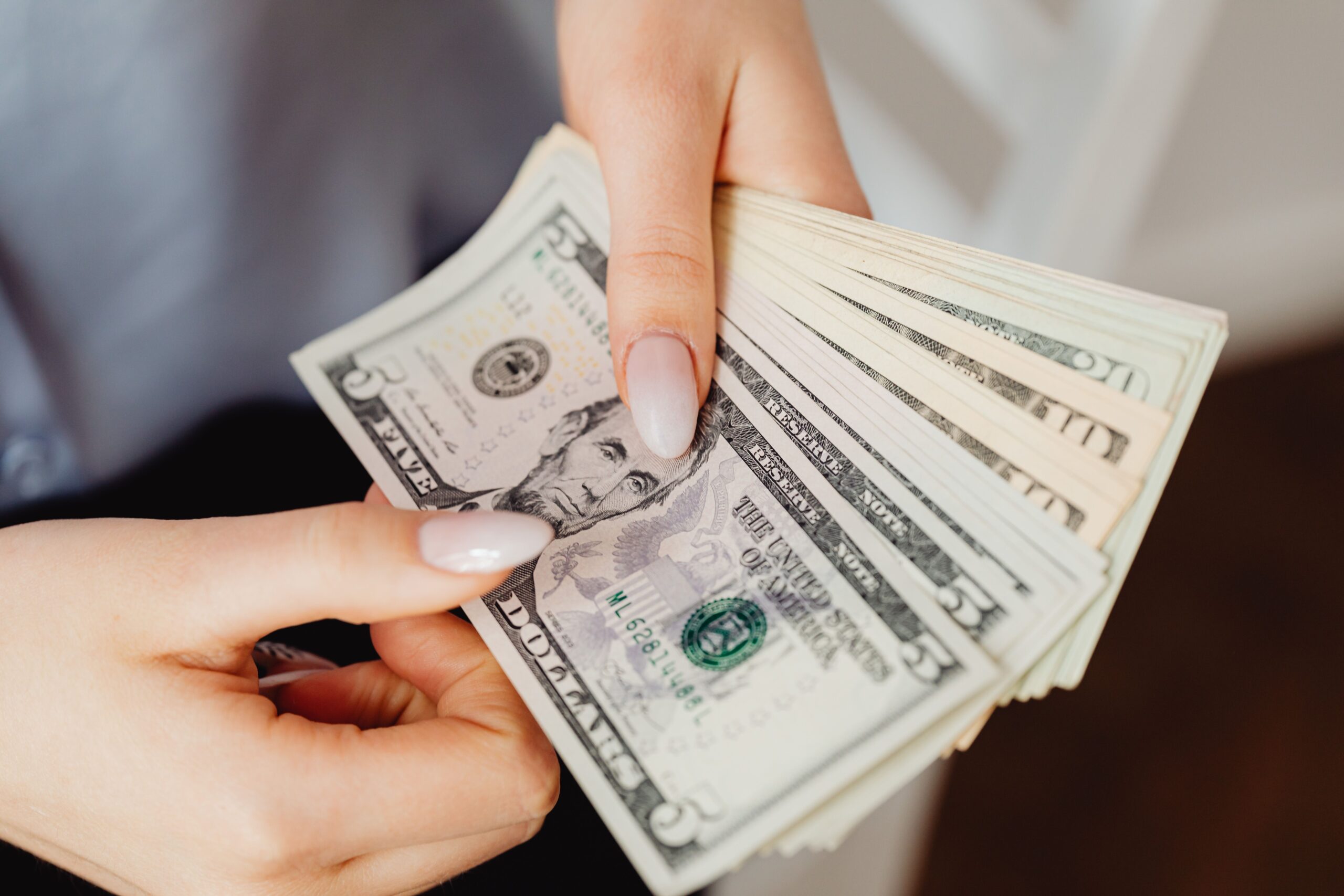
Scammers often use distraction techniques while counting your money, such as engaging in conversation, answering a phone call mid-count, or dropping bills on purpose to break your focus. When they resume counting, bills may go missing or get recounted incorrectly in their favor. Insist on counting the money yourself, slowly, without interruption.
Misleading Rate Boards
Some operators display an attractive headline rate on their board, but that rate only applies to unusually large transaction amounts, often far higher than what an average traveler exchanges. When you approach the counter, you may be quoted a much less favorable rate. Always ask upfront whether the displayed rate applies to your specific transaction amount.
Hidden Commission Fees
A rate might look competitive, but some unlicensed money changers add a hidden commission or administrative fee only after the transaction is calculated. Confirm before handing over your money whether the final amount includes any additional charges.
Fake or Damaged Banknotes
In rare cases, unscrupulous operators mix counterfeit or heavily damaged bills into your exchanged cash, hoping you won’t notice until later, when it is too late to dispute the transaction. Inspect every note before leaving the counter.
Bait-and-Switch Currency Notes
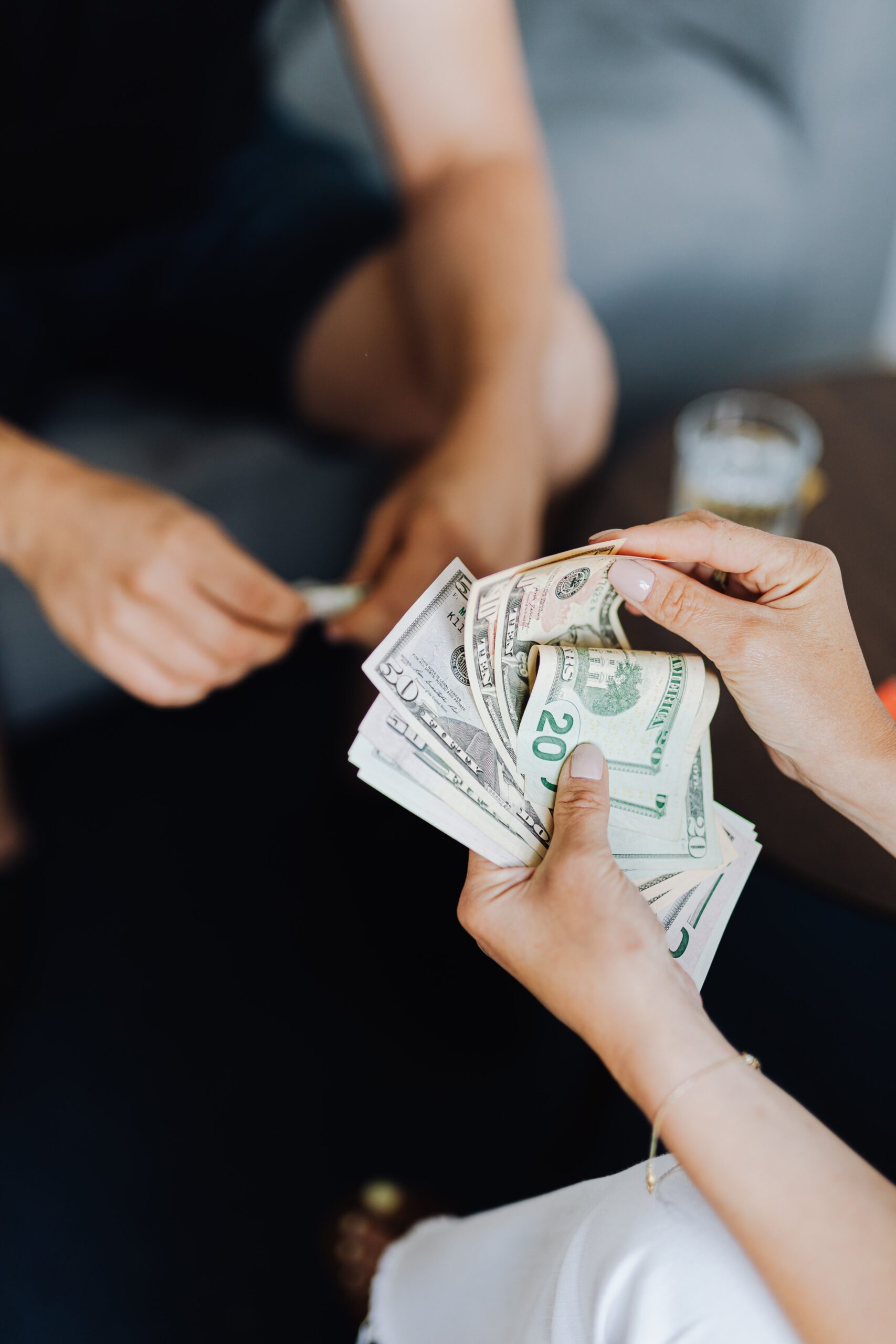
Some scammers switch out the larger denomination notes you receive with smaller ones after you’ve already counted and confirmed the total, using sleight-of-hand techniques. This typically happens if you turn your attention away even briefly after counting.
How to Protect Yourself When Exchanging Money in Bali
- Only use authorized money changers. Licensed operators display a valid permit from Bank Indonesia (KUPVA BB certification), usually posted visibly at the counter.
- Compare rates before committing. Check rates at two or three locations if possible, especially for larger amounts.
- Count your money at the counter, not after leaving. Reputable money changers will encourage this, while scammers often try to rush you out.
- Use a calculator to verify the math yourself. Don’t rely solely on the number the cashier shows you.
- Avoid unusually high rates that seem too good to be true. These are often bait to lure you in before hidden fees or short-changing occurs.
- Keep your transaction receipt. Licensed money changers provide printed proof of the transaction, which protects you if a dispute arises later.
What to Do If You’ve Been Scammed
If you suspect you’ve been shortchanged or scammed, address it immediately at the counter before leaving. Politely but firmly ask staff to recount the money together. If the issue isn’t resolved, you can report the incident to Bali’s tourist police (Polisi Pariwisata), who are specifically trained to handle cases of currency exchange scams in Bali involving foreign visitors.
Frequently Asked Questions About Currency Exchange Scams in Bali
How common are currency exchange scams in Bali?
Currency exchange scams in Bali are relatively common in high-traffic tourist areas like Kuta and Legian, particularly around unlicensed money changers that target visitors unfamiliar with local rates.
What is the safest way to avoid currency exchange scams in Bali?
The safest way to avoid currency exchange scams in Bali is to only use authorized money changers with valid Bank Indonesia permits, count your cash at the counter, and verify the math yourself before accepting the total.
Final Thoughts
Currency exchange scams in Bali are avoidable once you know what to look for. The safest approach is always choosing a licensed, authorized money changer, counting your cash carefully at the counter, and never rushing the transaction, no matter how busy or crowded the location seems.
Exchange Your Money Safely with Cash X Change
Avoid the risks of unlicensed money changers by choosing Cash X Change, an Authorized Money Changer with more than 40 outlets across Indonesia. Every transaction comes with transparent exchange rates, no hidden fees, and full compliance with Bank Indonesia regulations, so you can exchange your money with complete peace of mind.
Need to send or receive funds while traveling? Ditransferin offers Western Union services with extended operating hours beyond typical banking hours, giving you the flexibility to complete transfers whenever you need them, even outside standard office hours.