
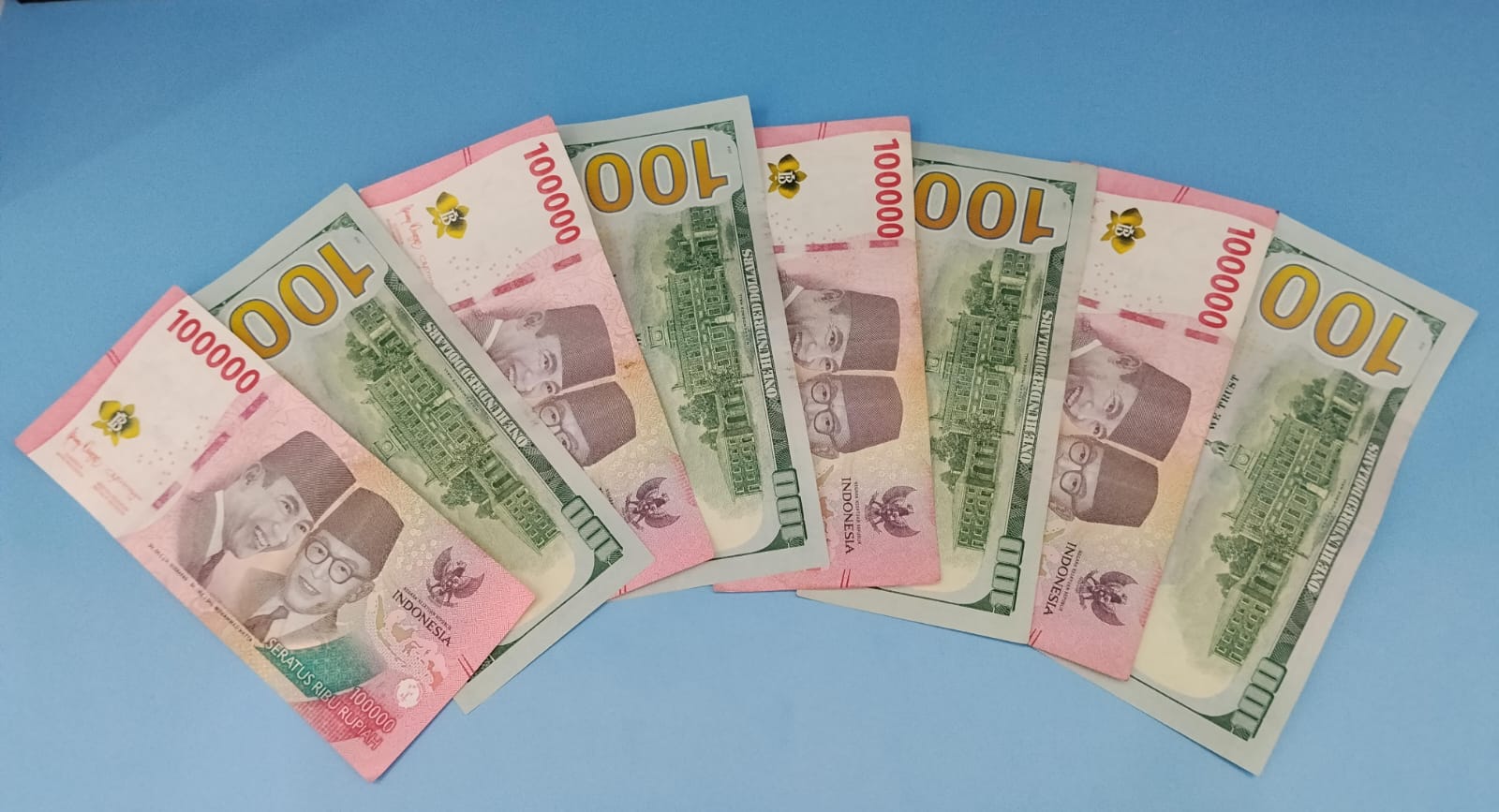



Rupiah Weakens Against US Dollar Amid Fed Warning on Inflation
The Indonesian rupiah weakens against US dollar at the opening of trading on Tuesday, July 14, 2026. According to Bloomberg data at 09:05 WIB in the spot exchange market, the rupiah opened 15 points weaker (0.08%) at Rp18,124 per US dollar.
This follows Monday’s close, July 13, 2026, when the rupiah weakened 44 points (0.24%) to Rp18,109 per US dollar. The consecutive daily declines suggest that as the rupiah weakens against US dollar, pressure continues to build ahead of key US economic data releases this week.
Why the Rupiah Weakens Against US Dollar Today
Several global factors are contributing to why the rupiah weakens against US dollar in early trading. According to US News, as of Tuesday, July 14, 2026, the US dollar held steady at 101.27 ahead of the release of US inflation data, while tensions between the US and Iran in the Middle East continued to push oil prices higher. Rising oil prices typically add pressure on import-dependent economies like Indonesia, which can further explain why local currency performance remains under strain.
Meanwhile, the euro remained stable at $1.1383 per US dollar, and the British pound traded at $1.3347 per US dollar, indicating that the dollar’s strength during this period is broad-based rather than isolated to emerging market currencies alone.
Regional Currency Pressure Adds Context
The Japanese yen also stayed relatively steady at 162.40 per US dollar, keeping traders on alert for potential intervention from the Bank of Japan (BOJ) as the currency continues hovering near a 40-year low. This regional weakness across several Asian currencies reinforces the broader picture behind why the rupiah weakens against US dollar alongside its regional peers, rather than as an isolated domestic issue.
Inflation Data and Fed Signals in Focus
Inflation risk remains a key focus this week, with the release of the June US Consumer Price Index (CPI) on Tuesday, the June Producer Price Index (PPI) the following day, and the first testimony from Fed Chair Kevin Warsh before the US Congress. Market participants are watching these releases closely, as stronger-than-expected inflation figures could reinforce the case for the US Federal Reserve to maintain higher interest rates for longer, a scenario that typically keeps the dollar strong against emerging market currencies including the rupiah.
Separately, Federal Reserve Governor Christopher Waller stated that interest rates may need to rise in the near term if data continues to show US inflation remaining well above the central bank’s 2% target. Should this materialize, further dollar strength could extend the period during which the rupiah weakens against US dollar, keeping importers, travelers, and businesses reliant on foreign currency closely watching upcoming developments.
What This Means for Currency Exchange Decisions
For individuals and businesses planning to exchange currency in the near term, periods when the rupiah weakens against US dollar often call for closer attention to timing and rate comparisons. Exchange rates can shift quickly based on incoming economic data, making it useful to monitor daily movements rather than relying on outdated figures when planning larger transactions.
Stay Ahead of Currency Movements with Cash X Change
Exchange rate fluctuations like these highlight the importance of choosing a trusted partner for your foreign currency needs. Cash X Change, an Authorized Money Changer with more than 40 outlets across Indonesia, offers transparent and competitive exchange rates so you can make informed decisions whenever you need to exchange currency.
Need to send or receive funds internationally? Ditransferin provides Western Union services with extended operating hours beyond standard banking hours, giving you the flexibility to complete your transfers whenever you need them.
Source: Investor Daily