
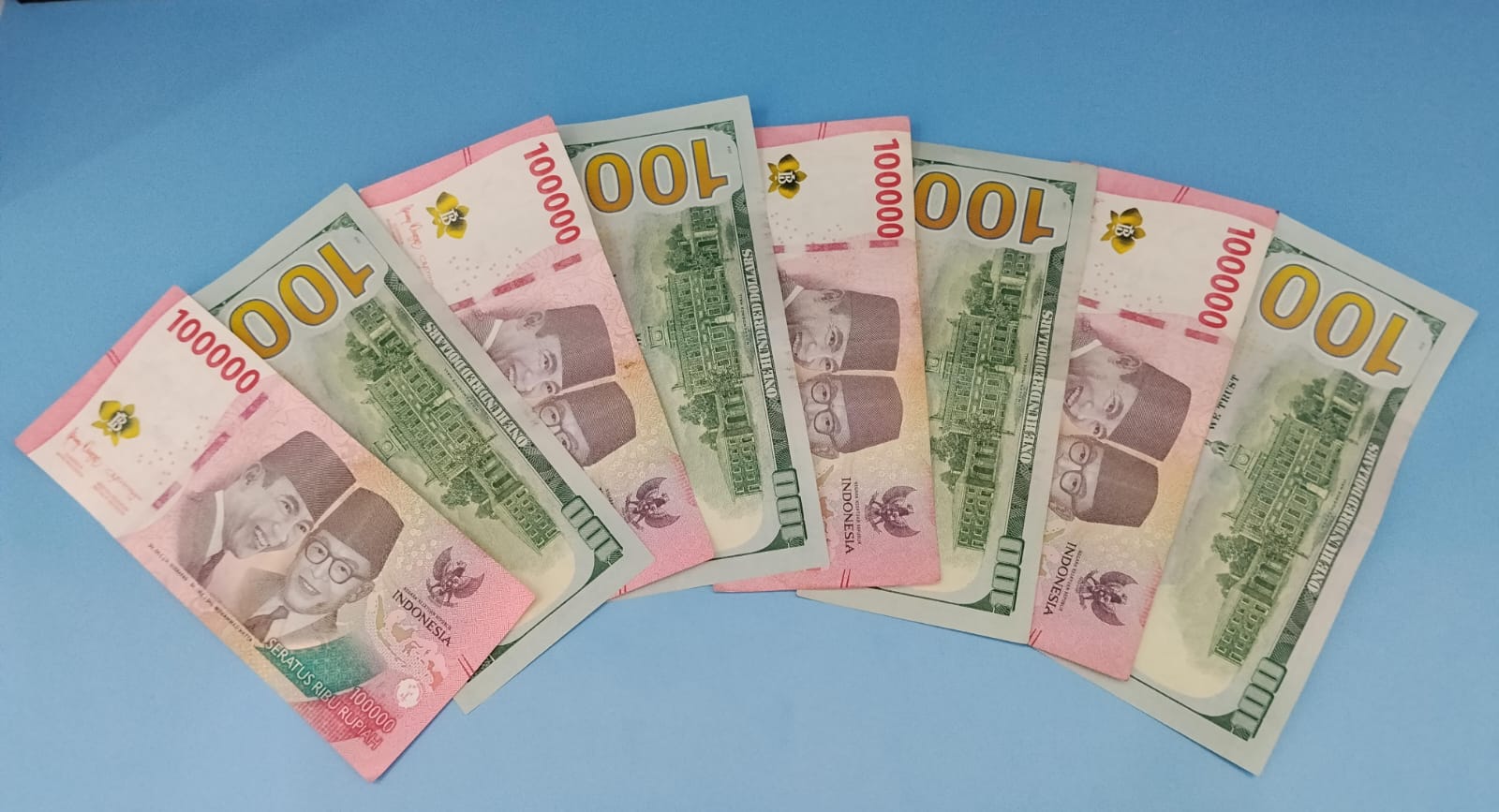



Rupiah exchange rate forecast points to further weakness in trading on Tuesday, July 28, 2026, as a combination of domestic sentiment and global macroeconomic uncertainty continues to weigh on the Indonesian currency.
The rupiah spot rate closed 0.26% lower at Rp 18,009 per US dollar on Monday, July 27. In line with the spot market, Bank Indonesia’s Jakarta Interbank Spot Dollar Rate (JISDOR) also weakened to Rp 17,995 per US dollar, compared with Rp 17,973 on Friday, July 24.
The latest decline comes as investors assess the implications of Perry Warjiyo’s resignation as Bank Indonesia governor, while also monitoring global developments that could influence capital flows and risk appetite across Asian markets.
Rupiah Exchange Rate Forecast Faces Pressure From BI Leadership Transition
Domestic sentiment has become one of the key factors weighing on the rupiah.
Airlangga University economist Rahma Gafmi said Perry Warjiyo’s resignation had triggered concerns among market participants about the continuity of monetary policy and short-term macroeconomic management.
The leadership transition has added an element of uncertainty to the financial markets at a time when investors are already closely monitoring the rupiah and broader economic conditions.
However, Rahma said investors did not need to overreact to the leadership change. The temporary leadership of Bank Indonesia has automatically been transferred to Senior Deputy Governor Destry Damayanti, who is serving as acting governor.
Rahma said Destry has extensive experience within Bank Indonesia and financial markets. As a result, she expects the central bank’s approach to managing the rupiah and financial markets to remain broadly consistent with existing policies.
The transition is therefore unlikely to immediately change the direction of Bank Indonesia’s policy. However, investor sentiment could remain cautious as markets wait for greater clarity regarding the process of appointing a permanent governor.
Global Rate Expectations Add to Rupiah Exchange Rate Forecast Risks
External factors are also creating additional pressure for the rupiah.
Global market dynamics are becoming increasingly important as the Federal Reserve begins a series of meetings that could influence expectations for US interest rates and global bond yields.
According to Rahma, speculation surrounding the direction of US monetary policy and movements in global bond yields could weigh on Asian currencies, including the rupiah.
Higher global bond yields can increase the attractiveness of US dollar-denominated assets and potentially encourage investors to shift funds away from emerging markets. Such movements could put additional pressure on currencies in the region.
Market sentiment is also being influenced by geopolitical tensions in the Middle East and the impact of new US import tariff policies under President Donald Trump.
These developments have increased uncertainty across global markets and could contribute to greater volatility in emerging-market currencies.
As a result, the rupiah exchange rate forecast will depend not only on domestic developments but also on how investors respond to changes in global interest-rate expectations, geopolitical risks and international capital flows.
Rupiah Exchange Rate Forecast Hinges on Foreign Capital Flows
For Tuesday’s trading session, the rupiah’s performance is expected to be heavily influenced by investor reaction to the Bank Indonesia leadership transition and the direction of foreign capital flows.
Rahma projects the rupiah to trade within a support and resistance range of Rp 17,930 to Rp 18,100 per US dollar on July 28.
The wide trading range reflects the elevated volatility currently facing the currency market. Investors are likely to maintain a cautious, wait-and-see approach as they assess both domestic policy developments and external market risks.
The rupiah exchange rate forecast therefore remains tilted toward further weakness in the near term, although the central bank is expected to continue using its policy tools to limit excessive volatility.
Rahma said Bank Indonesia is expected to optimize market intervention instruments, including spot transactions and Domestic Non-Deliverable Forward (DNDF) operations, alongside other monetary instruments.
The objective is to contain market turbulence and prevent the rupiah from falling beyond key psychological levels.
For now, the combination of domestic leadership uncertainty, global monetary policy expectations, geopolitical tensions and foreign capital flows will remain critical factors for the rupiah.
Investors will continue to monitor how the transition at Bank Indonesia develops while watching signals from the Federal Reserve and movements in global bond yields.
The rupiah exchange rate forecast remains vulnerable to short-term volatility, but Bank Indonesia’s continued intervention could help limit excessive fluctuations and stabilize the currency as markets navigate the current period of uncertainty.
For your foreign currency exchange needs, Cash X Change offers competitive exchange rates to help you manage your currency transactions. For international money transfers, Ditransferin provides Western Union services for sending and receiving funds internationally.
Source: Kontan