
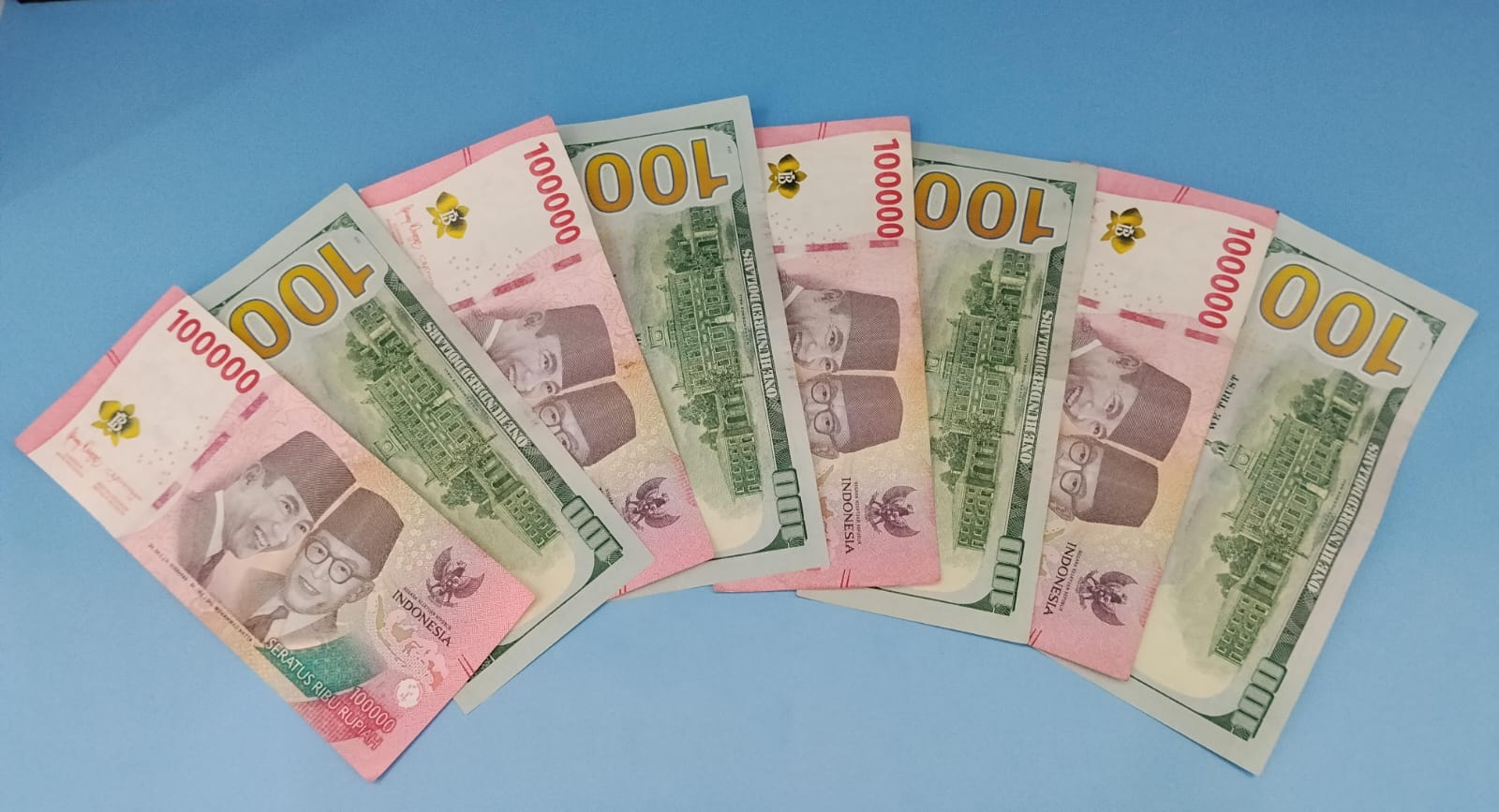



Rupiah Exchange Rate Weakens as Global Markets Focus on the US Dollar
The Rupiah Exchange Rate opened lower against the US dollar on Monday as investors closely watched global financial markets. Although the US dollar remained near a two-week low, uncertainty surrounding the US Federal Reserve continued to influence market sentiment. As a result, emerging market currencies, including the Indonesian rupiah, remained under pressure.
According to Bloomberg data, the rupiah weakened by 32 points, or 0.18%, to Rp17,995 per US dollar during the opening session. The currency had previously closed stronger at Rp17,963 per US dollar on Friday. Even so, the latest movement placed the rupiah close to the important Rp18,000 psychological level once again.
Why the Rupiah Exchange Rate Remains Under Pressure
Global developments continue to drive the Rupiah Exchange Rate more than domestic economic conditions. Investors remain cautious as they evaluate the outlook for US interest rates and global capital flows.
The US dollar traded near its weakest level in two weeks after recent employment data showed slower job growth in June 2026. The weaker figures reduced expectations that the Federal Reserve would continue raising interest rates aggressively in the near term.
However, analysts believe the dollar is still supported by a relatively resilient US economy. As a result, many investors continue to favor US dollar-denominated assets despite the softer labor market data.
Global Currency Markets Show Mixed Performance
Currency markets delivered mixed results across major economies.
The euro traded near a two-week high against the US dollar, while the British pound remained relatively stable. Meanwhile, the Japanese yen stayed under pressure despite occasional speculation about possible intervention by Japanese authorities.
In Asia, the South Korean won posted modest gains. These mixed performances reflected continued uncertainty over global monetary policy and investor sentiment.
Federal Reserve Outlook Continues to Influence the Rupiah Exchange Rate
Market participants remain focused on future Federal Reserve decisions. Although the latest employment report weakened expectations for another immediate rate increase, policymakers have not ruled out additional tightening if inflation remains persistent.
Several analysts expect the US dollar to maintain moderate strength during the second half of 2026. Consequently, emerging market currencies may continue experiencing periods of volatility.
For Indonesia, this means the Rupiah Exchange Rate could remain sensitive to changes in global financial conditions. External factors, rather than domestic fundamentals, are likely to determine short-term currency movements.
Outlook for the Rupiah Exchange Rate
The rupiah may continue trading near the Rp18,000 per US dollar level if global uncertainty persists. Nevertheless, stronger foreign capital inflows and improving investor confidence could provide support in the coming months.
Bank Indonesia is expected to continue monitoring exchange rate developments. The central bank still has several policy tools available to help maintain currency stability whenever market volatility increases.
While short-term fluctuations are likely to continue, Indonesia’s broader economic fundamentals remain an important source of confidence for long-term investors.
Managing Currency Exchange During Market Volatility
Periods of exchange rate volatility can affect travel expenses, overseas education costs, business payments, and international trade. Therefore, monitoring market movements before exchanging foreign currency has become increasingly important.
Individuals and businesses can benefit from working with trusted foreign exchange providers such as Cash X Change for competitive currency exchange rates, professional service, fast and secure transaction. Meanwhile, Ditransferin offers secure international money transfer solutions that help customers manage cross-border transactions efficiently in changing market conditions.
Source: Investor Daily