
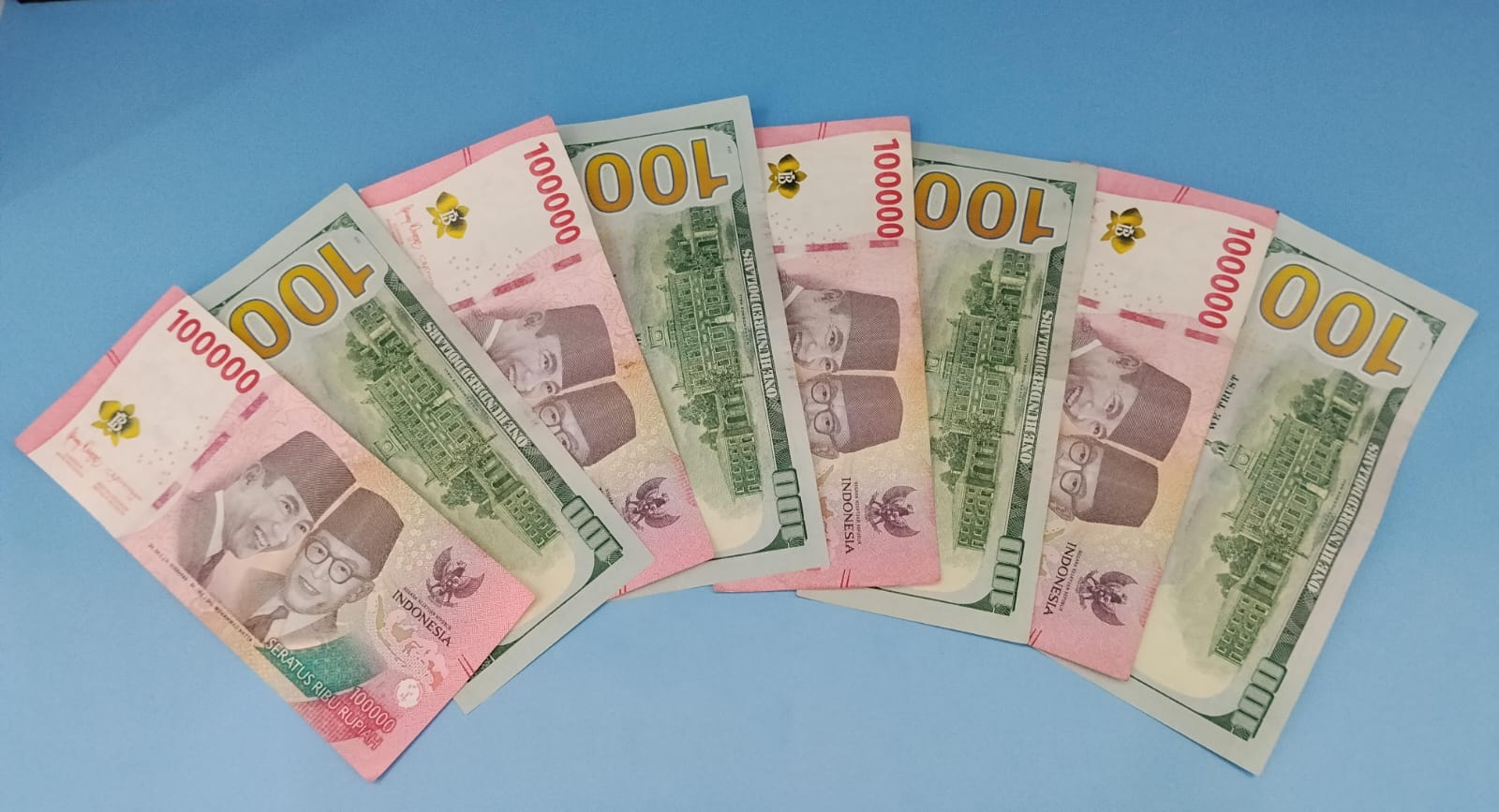



External Headwinds Continue to Shape the Rupiah Outlook
The Rupiah Outlook for the third quarter of 2026 remains uncertain as global financial markets continue to face significant volatility. Although the Indonesian rupiah showed modest gains during Friday’s trading session, the currency continues to hover near the psychologically important level of Rp18,000 per US dollar.
After closing at Rp17,995 per US dollar on Thursday, the rupiah recovered slightly to around Rp17,960 on Friday afternoon. Despite this improvement, market participants remain cautious because external developments continue to dominate currency movements.
According to market analysts, the rupiah’s direction will depend less on domestic fundamentals and more on international economic conditions during the coming months.
Foreign Capital Offers Some Support
Market sentiment has improved compared with previous months. Demand for US dollars from Indonesian corporations and consumers has gradually eased, reducing some pressure on the local currency.
In addition, foreign investors have started returning to Indonesia’s government bond market. This renewed interest reflects growing confidence in the country’s monetary policy and attractive bond yields.
However, capital inflows into the domestic stock market remain relatively limited. As a result, the overall support for the rupiah is still weaker than many investors had expected.
While these developments are encouraging, analysts believe they are not yet strong enough to trigger a sustained appreciation of the Indonesian currency.
Global Events Continue to Drive the Rupiah Outlook
The biggest challenge for the Rupiah Outlook remains the global environment. Geopolitical tensions, changing investor sentiment, and uncertainty surrounding US monetary policy continue to influence emerging market currencies.
Investors are paying close attention to the US Federal Reserve’s policy signals. Recent meeting minutes reinforced expectations that US interest rates could remain elevated for longer than previously anticipated.
Consequently, yields on US Treasury bonds have increased, making US dollar-denominated assets more attractive. This shift has encouraged global investors to allocate more capital to safer assets while reducing exposure to emerging markets, including Indonesia.
US Employment Data Adds More Uncertainty
The latest US labor market data also created mixed reactions across financial markets.
June’s Non-Farm Payrolls (NFP) report showed that only 57,000 jobs were added, well below market expectations of 110,000. Although the unemployment rate edged down slightly to 4.2%, investors remain uncertain about the overall strength of the US economy.
Historically, employment reports have been among the most influential economic indicators for global financial markets. Even small revisions to previous data can significantly alter expectations regarding future Federal Reserve decisions.
Because of this, currency markets are expected to remain highly sensitive to upcoming US economic releases throughout the quarter.
Can the Rupiah Reach Rp18,000 per US Dollar?
Analysts believe the rupiah could temporarily weaken beyond the Rp18,000 per US dollar level if external pressures continue.
However, maintaining that level for an extended period could create new market expectations. Once investors begin viewing Rp18,000 as a normal trading range, additional depreciation could become increasingly difficult to reverse.
For this reason, maintaining market confidence remains essential. Analysts suggest that Bank Indonesia still has room to strengthen monetary policy if exchange rate volatility intensifies. Additional policy measures, including potential interest rate adjustments, could help stabilize the rupiah should global conditions deteriorate further.
Outlook: Monitor Exchange Rates Before International Transactions
The Rupiah Outlook will continue to depend heavily on global market developments, Federal Reserve policy decisions, geopolitical risks, and foreign investment flows. While Indonesia’s economic fundamentals remain relatively resilient, external uncertainty is likely to keep exchange rate movements volatile throughout the third quarter.
For individuals and businesses involved in international travel, overseas education, imports, exports, or foreign investments, monitoring exchange rate trends has become increasingly important. Choosing a trusted foreign exchange provider such as Cash X Change can help customers secure competitive exchange rates with transparent service. Meanwhile, Ditransferin offers reliable international money transfer solutions, making cross-border financial transactions more efficient during periods of currency volatility.