



The Fed Interest Rate Decision Sparks Market Volatility as Investors Reassess Outlook
The The Fed Interest Rate Decision became the main focus of global financial markets after the Federal Reserve kept its benchmark interest rate unchanged at 3.5%–3.75%. Although policymakers avoided another rate increase, updated economic projections created fresh uncertainty. Investors quickly adjusted their expectations, triggering sharp movements across Bitcoin, US equities, government bonds, and foreign exchange markets.
Many market participants initially interpreted the announcement as a sign that borrowing costs could remain elevated for longer than previously expected. As a result, risk-sensitive assets came under pressure while investors shifted their attention toward safer investments and the US dollar.
However, not everyone agreed with the market’s first reaction. Several analysts argued that investors may have overestimated the Federal Reserve’s future tightening plans. They believe the central bank continues to follow a data-dependent strategy rather than committing to an aggressive series of rate hikes.
How the The Fed Interest Rate Decision Affected Global Markets
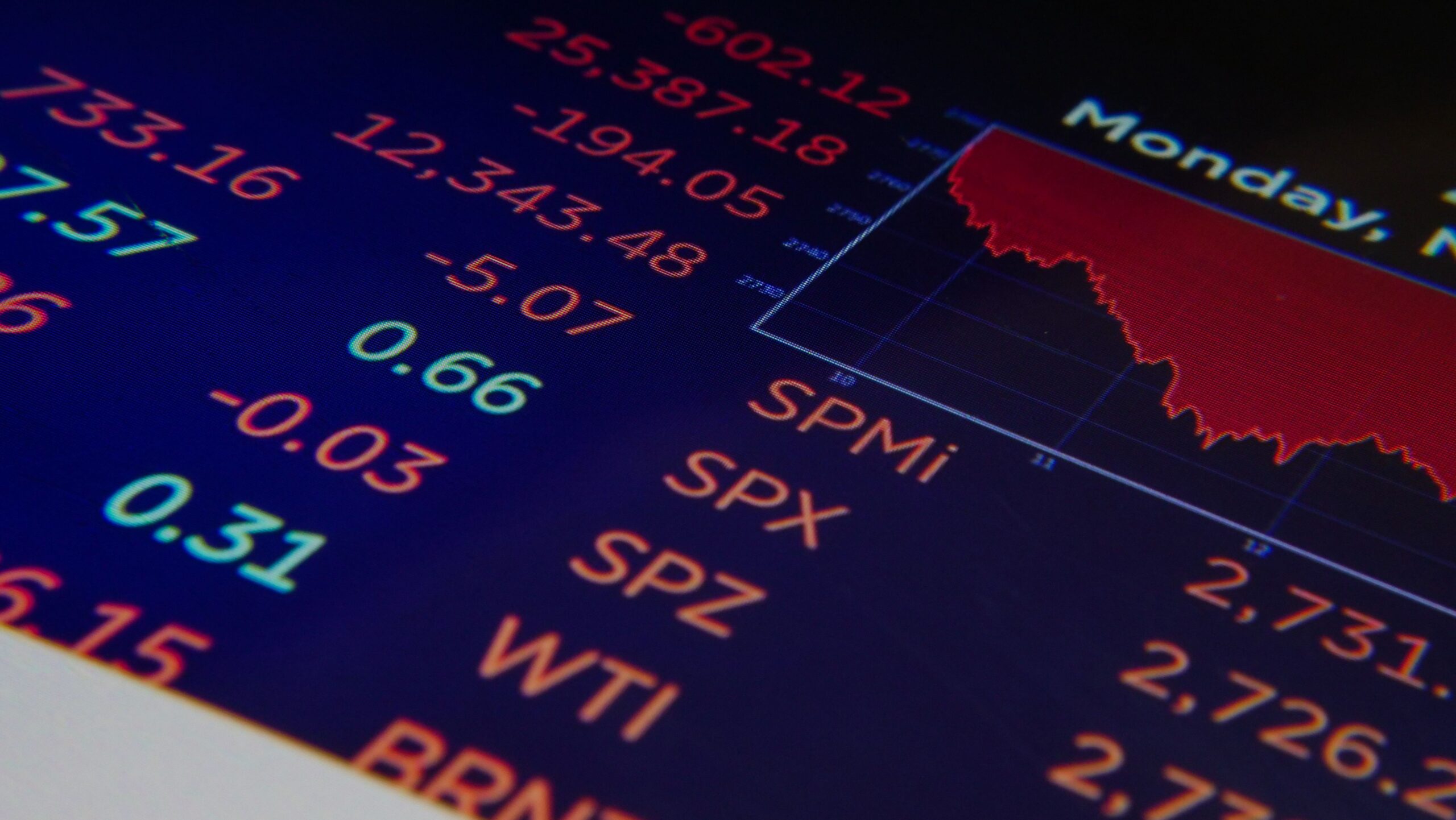
The Federal Reserve’s latest policy meeting immediately influenced investor sentiment around the world. Bitcoin declined toward US$63,000, while the S&P 500 also lost momentum following the announcement. Financial markets reacted because investors focused on the Fed’s updated projections instead of the interest rate decision alone.
The Federal Reserve also increased its median year-end interest rate projection to 3.8%. Although this adjustment appeared modest, many investors viewed it as a signal that interest rates could remain higher for a longer period.
Higher interest rates typically reduce market liquidity. They also increase borrowing costs for businesses and consumers. As financing becomes more expensive, investors often reduce exposure to assets such as cryptocurrencies and growth stocks.
The US dollar remained relatively resilient after the meeting. Treasury yields also stayed elevated, making US government bonds more attractive than many higher-risk investments. This shift encouraged investors to rebalance their portfolios while waiting for additional economic data.
At the same time, global foreign exchange markets experienced renewed volatility. Emerging-market currencies, including the Indonesian Rupiah, remained sensitive to changes in US monetary policy and investor sentiment.
Some Investors See a Different Opportunity
Despite the initial sell-off, several professional investors believe the market’s response was stronger than necessary.
Their argument is straightforward. The Federal Reserve did not announce an unexpected rate increase or introduce additional tightening measures. Instead, policymakers emphasized that future decisions would depend on incoming economic data, including inflation, employment, and economic growth.
According to this view, the latest meeting should not be interpreted as a commitment to aggressive monetary tightening. Instead, it reflects the Fed’s intention to remain flexible while monitoring economic conditions.
This interpretation encouraged some options traders to position themselves for a potential recovery in Bitcoin and major US stock indices. They believe recent market weakness could provide attractive buying opportunities if upcoming economic data support a more balanced policy outlook.
Why Bitcoin Remains Sensitive to The Fed Interest Rate Decision
Bitcoin has become increasingly sensitive to changes in US monetary policy. The The Fed Interest Rate Decision often influences investor appetite for risk, making cryptocurrencies one of the first assets to react after every Federal Reserve meeting.
When interest rates remain high, borrowing costs increase across the economy. Investors also receive better returns from safer assets such as US Treasury bonds. As a result, many institutional investors reduce their exposure to cryptocurrencies and other high-risk investments.
This relationship explains why Bitcoin frequently experiences sharp price swings after major policy announcements. Even small adjustments in the Federal Reserve’s economic projections can trigger significant buying or selling activity.
However, not all investors share the same outlook.
Some options traders believe recent market weakness reflects excessive caution rather than deteriorating economic conditions. They argue that the Federal Reserve has not committed to a prolonged cycle of aggressive tightening.
Instead, the central bank continues to evaluate incoming economic data before making additional policy decisions. If inflation continues to moderate and economic growth slows gradually, interest rates may stabilize sooner than many investors currently expect.
For this reason, some market participants continue accumulating Bitcoin despite recent volatility. They believe digital assets could recover once monetary policy becomes more predictable.
What Investors Should Watch After The Fed Interest Rate Decision
Although the latest meeting has concluded, investors remain focused on several important economic indicators. These reports will likely shape expectations for the Federal Reserve’s next policy decision.
Inflation remains the most closely watched indicator. Persistent inflation could encourage policymakers to maintain higher interest rates for longer. Lower inflation, however, would strengthen expectations that policy tightening is nearing its end.
Employment data will also receive significant attention. Monthly Non-Farm Payroll (NFP) reports provide valuable insight into the strength of the US labor market.
A stronger labor market usually supports consumer spending. It may also increase inflationary pressure. Conversely, weaker employment data could reduce pressure on the Federal Reserve to tighten monetary policy further.
Investors will also monitor US Gross Domestic Product (GDP) growth. Slower economic expansion may support expectations for a more accommodative policy stance. Stronger growth, on the other hand, could justify keeping interest rates elevated.
Financial markets are expected to remain highly responsive as these reports become available. Each release could influence expectations surrounding future interest rate decisions.
The Fed Interest Rate Decision Continues to Influence Global Currencies
The effects of the The Fed Interest Rate Decision extend well beyond the United States. Exchange rates around the world often react as investors adjust their global portfolios.
The US dollar usually strengthens when investors expect higher interest rates. Higher yields attract international capital into US financial assets. This trend can place additional pressure on emerging-market currencies, including the Indonesian Rupiah.
A stronger US dollar also increases the cost of international trade for many businesses. Importers may face higher expenses when purchasing goods priced in US dollars. Exporters must also monitor exchange rate fluctuations carefully to manage financial risk.
Currency volatility can become even more pronounced during periods of geopolitical uncertainty. Global investors often seek safe-haven assets whenever economic risks increase.
For businesses involved in international payments, staying informed about Federal Reserve policy is becoming increasingly important. Exchange rate movements can directly influence operating costs, investment decisions, and cross-border transactions.
What The Fed Interest Rate Decision Means for Businesses and Travelers
The impact of The Fed Interest Rate Decision goes beyond financial markets. Businesses, travelers, and individuals involved in international transactions also feel the effects of changing US monetary policy.
When the US dollar strengthens, exchange rates often become less favorable for people buying foreign currencies. Companies that rely on imported goods may also experience higher operating costs. At the same time, businesses receiving payments in US dollars could benefit from a stronger currency.
Travelers should also pay close attention to exchange rate movements before traveling abroad. Even small fluctuations can affect travel budgets, accommodation expenses, and overseas purchases.
For companies engaged in international trade, managing foreign exchange risk has become increasingly important. Monitoring central bank decisions and market sentiment can help businesses make better financial decisions while reducing unexpected costs.
Although short-term volatility may continue, exchange rates often stabilize once investors gain greater confidence in the economic outlook. This is why many market participants closely monitor inflation data, employment reports, and future Federal Reserve announcements.
Market Outlook Remains Dependent on Economic Data
Looking ahead, investors are expected to remain cautious. Future market direction will largely depend on upcoming US economic reports rather than speculation alone.
Inflation trends will remain a primary focus. Employment figures and GDP growth will also influence expectations for future Federal Reserve decisions. Stronger-than-expected data could support higher interest rates for longer. Weaker data may encourage a more balanced policy approach.
While uncertainty remains, many analysts believe market volatility will gradually ease once investors receive clearer signals about the Federal Reserve’s policy path.
For emerging markets such as Indonesia, stable capital inflows and improving investor confidence will remain essential. These factors can help support the Rupiah and reduce excessive exchange rate volatility.
Staying Prepared in a Changing Global Market
Global financial markets continue to respond quickly to every major policy announcement. Understanding these developments helps individuals and businesses make more informed financial decisions.
Whether you are planning an overseas trip, managing international business payments, or monitoring foreign exchange markets, choosing the right financial partner can make a meaningful difference.
At Cash X Change, customers can access competitive exchange rates and professional foreign currency services to support both personal and business needs. For international money transfers, Ditransferin provides a secure and reliable solution, helping customers send funds overseas efficiently while navigating changing global market conditions.
By staying informed about major events such as The Fed Interest Rate Decision, individuals and businesses can better manage currency risk and make smarter financial decisions in an increasingly connected global economy.