



Indonesia Sustainable Investment 2026 is gaining stronger attention as the government promotes food security, energy resilience, environmental protection, and long-term economic development. Indonesia’s natural capital, biodiversity, carbon resources, and green-economy potential continue to position the country as an important destination for global investors seeking sustainable opportunities.
This outlook was discussed during a meeting between Indonesia’s environmental authorities and representatives from six international investment institutions. The investor delegation included Seventh AP Fund, Green Century Capital Management, KLP Asset Management, UBS, Saturna Capital, and Ziranjiti.
Why Indonesia Sustainable Investment 2026 Attracts Global Investors
Indonesia Sustainable Investment 2026 is supported by the country’s substantial environmental and economic assets. Indonesia has extensive forests, rich biodiversity, large carbon-storage potential, and significant opportunities in renewable energy, sustainable agriculture, and nature-based solutions.
These advantages create potential for long-term investment across sectors such as clean energy, carbon markets, sustainable forestry, biofuels, waste management, and ecological restoration. Investors increasingly view environmental performance not only as a compliance issue but also as a factor that can influence future profitability and risk management.
However, investor interest is not unconditional. International institutions emphasized that future investment decisions will depend on Indonesia’s ability to maintain a declining deforestation trend, improve environmental governance in the mining sector, strengthen Environmental, Social and Governance standards, and preserve the integrity of the national carbon market.
ESG Standards Shape Indonesia Sustainable Investment 2026
The prospects for Indonesia Sustainable Investment 2026 will also depend on policy consistency and credible implementation. Investors are seeking stronger protection for biodiversity, clearer long-term regulations, and greater certainty surrounding environmental oversight.
This means Indonesia must ensure that green policies are supported by effective audits, adequate numbers of qualified environmental auditors, transparent monitoring, and stronger law enforcement. Without credible governance, large-scale sustainability commitments may not translate into sufficient investor confidence.
The government has stated that economic development and environmental protection should advance together. The policy direction described as “Development through Environmental Protection” reflects an attempt to move away from a development model that is perceived to sacrifice natural resources.
Energy Transition Supports Indonesia Sustainable Investment 2026
Energy policy is another major pillar of Indonesia Sustainable Investment 2026. The government has identified food resilience and bioethanol production as strategic priorities while continuing to develop domestic renewable-energy capacity.
One key initiative is the mandatory B50 biodiesel program, officially launched on July 17, 2026. The policy follows earlier B30 and B40 programs and aims to strengthen national energy independence by increasing the use of domestically produced palm-based biofuel.
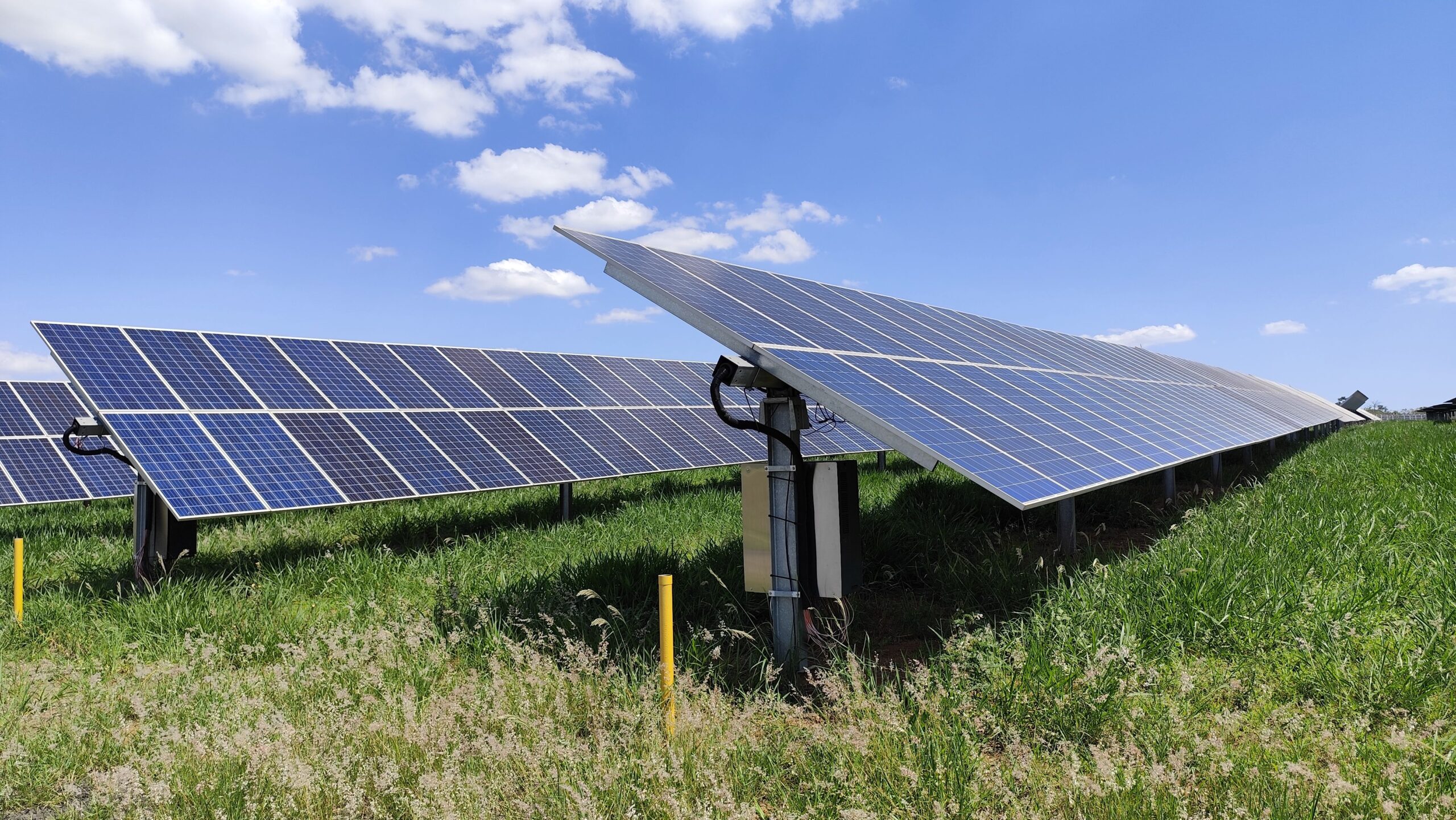
The government also plans to develop 100 gigawatts of solar-panel capacity, accelerate industrial decarbonization, require the oil and gas sector to establish Carbon Capture and Storage facilities, and reduce methane emissions from open waste sites through waste-to-energy projects.
These initiatives may expand investment opportunities in renewable infrastructure, low-carbon technology, industrial efficiency, carbon management, and green employment. They could also reduce dependence on imported energy while supporting domestic economic activity.
Environmental Protection Remains a Critical Test
Despite the positive outlook, Indonesia Sustainable Investment 2026 faces several implementation challenges. Biodiesel expansion, mining activity, and large-scale infrastructure projects must be managed carefully to avoid creating new environmental risks.
The use of degraded land and ecological restoration will therefore be important. The government has also emphasized that conservation and climate policies should generate direct economic benefits for local communities and Indigenous peoples.
This prosperity-based approach combines climate mitigation, adaptation, and economic welfare. Its success will depend on whether communities receive tangible benefits while environmental standards are enforced consistently.
Key Takeaways
Indonesia Sustainable Investment 2026 has strong potential because of the country’s biodiversity, natural resources, carbon assets, and expanding green-energy agenda. Investor interest may increase through B50 biodiesel, solar power, industrial decarbonization, CCS, waste-to-energy development, and ecological restoration.
However, stronger ESG standards, reduced deforestation, better mining governance, credible carbon markets, biodiversity protection, and long-term policy certainty will remain decisive. Sustainable investment will grow only when environmental commitments are supported by transparent and enforceable implementation.
For professional foreign currency services, Cash X Change operates as an Authorized Money Changer, offering competitive and transparent exchange rates for personal and business requirements. For international remittances, Ditransferin provides convenient money transfers and cash withdrawals through Western Union, helping customers manage cross-border transactions securely and efficiently.
Source: Investor Daily, August 6, 2026