

If you’re planning a trip to Bali, Lombok, Labuan Bajo, or anywhere else in Indonesia, understanding the local currency can help you travel with confidence and avoid confusion when making purchases.
Indonesia uses the Indonesian Rupiah (IDR) as its official currency. While first-time visitors are often surprised by the large numbers printed on Indonesian banknotes, the system is straightforward once you become familiar with it.
This guide explains everything you need to know about Indonesian Rupiah prior your visit.
Why Do You Need Indonesian Rupiah?
Indonesia requires the use of Indonesian Rupiah (IDR) for transactions conducted within its jurisdiction. As the country’s official currency, Rupiah is widely accepted for everyday purchases and services throughout Indonesia, including Bali, Lombok, Nusa Penida, the Gili Islands, and Labuan Bajo.
For this reason, international travelers are encouraged to exchange foreign currency into Rupiah before making purchases or paying for local services during their stay.
Why are the Numbers So Large?
One of the most common questions from international travelers is:
“Why does everything cost hundreds of thousands of Rupiah?”
The answer is simple: Indonesia’s currency has a different value scale compared to currencies such as the US Dollar, Euro, British Pound, or Australian Dollar.
For example:
- Rp10,000 = a small everyday purchase
- Rp50,000 = a casual meal or taxi ride
- Rp100,000 = a common banknote used by travelers
- Rp1,000,000 = one million Rupiah, but not necessarily a large amount of money
Although the numbers may appear high, they quickly become familiar after a few days in Indonesia.
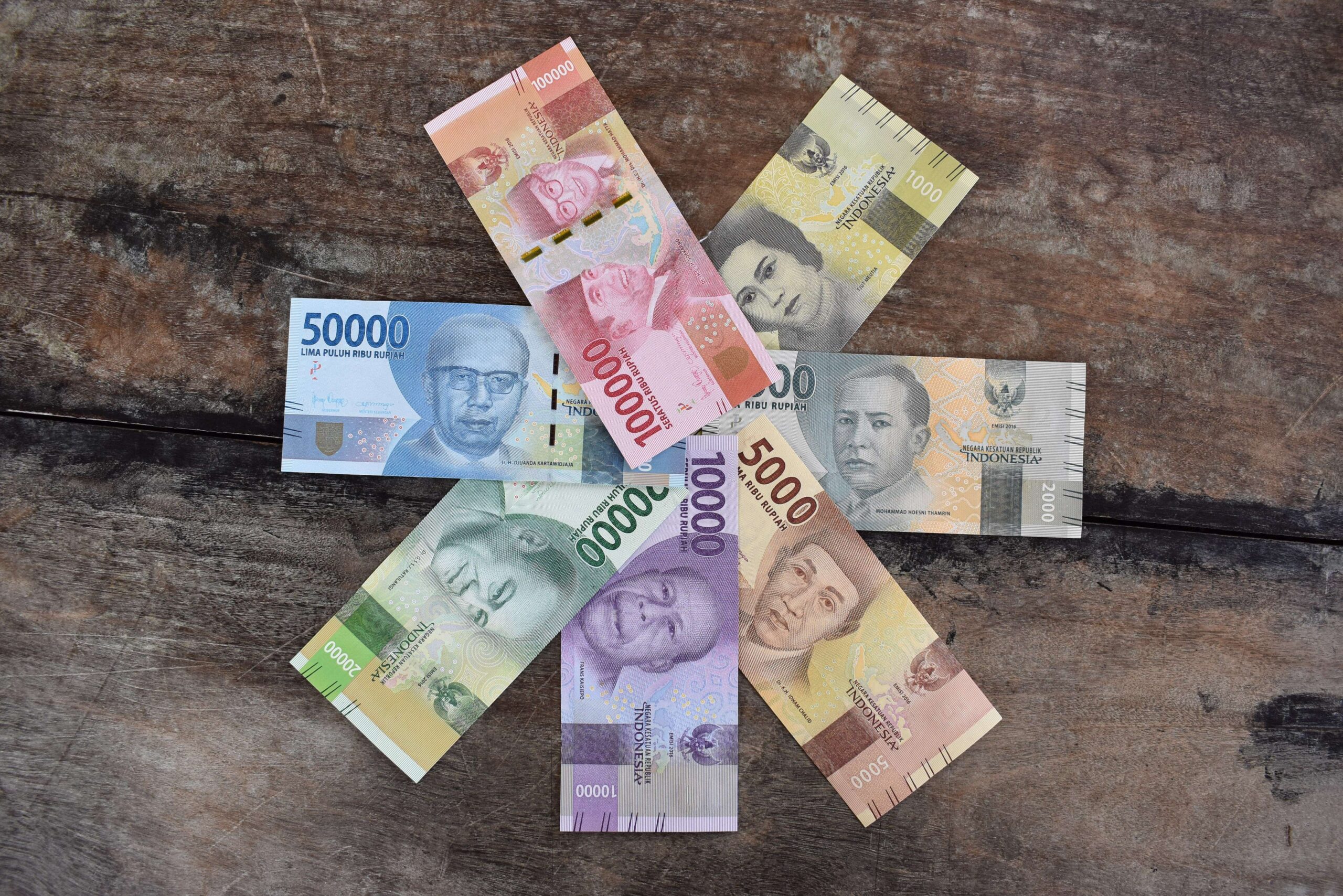
Indonesian Rupiah Banknotes
The most commonly used banknotes are:
- Rp1,000
- Rp2,000
- Rp5,000
- Rp10,000
- Rp20,000
- Rp50,000
- Rp100,000
Each denomination has a distinct color and features Indonesian national heroes and cultural landmarks.
Among these, the Rp50,000 and Rp100,000 notes are the most frequently used by international travelers.
Indonesian Coins
Indonesia also uses coins, including:
- Rp100
- Rp200
- Rp500
- Rp1,000
While coins remain legal tender, they are less commonly used by tourists and are mostly encountered as change during small purchases.
Cash or Card?
Major hotels, shopping centers, and restaurants often accept debit and credit cards. However, carrying some cash is still recommended, especially when visiting:
- Traditional markets
- Small local restaurants
- Island destinations
- Rural areas
- Transportation services
Popular tourist destinations such as Nusa Penida, the Gili Islands, and certain areas of Labuan Bajo may still rely heavily on cash transactions.
How to Exchange Foreign Currency Safely
When exchanging money in Indonesia, travelers should choose authorized and reputable money changers.
Before exchanging currency:
- Check the displayed exchange rate
- Count your money carefully
- Request a receipt
- Avoid unofficial exchange services
- Use authorized money changers whenever possible
A professional money changer should provide transparent rates, clear transaction procedures, and proper customer service.
Tips for Handling Indonesian Rupiah
To make your trip smoother:
- Separate large and small denominations
- Keep some smaller notes for everyday purchases
- Double-check the number of zeros when paying
- Store cash securely while traveling
- Familiarize yourself with the colors of each denomination
These simple habits can help prevent mistakes and make transactions easier during your stay.
Final Thoughts
Understanding Indonesian Rupiah is one of the easiest ways to prepare for a trip to Indonesia. While the large numbers may seem unusual at first, most travelers quickly adapt after a few transactions.
By familiarizing yourself with Indonesian banknotes, carrying appropriate amounts of cash, and using authorized money changers, you can enjoy a safer and more convenient travel experience throughout Indonesia.
Need Indonesian Rupiah for Your Trip?
Cash X Change provides foreign currency exchange services at multiple locations across Indonesia’s leading tourist destinations. Check today’s exchange rates, visit your nearest outlet before starting your journey or contact our professional team.